Streetwear in 2026 doesn't really run on logos anymore. Or at least, not the way it used to. The five brands below keep coming up in the same conversations — among people building capsule wardrobes, people chasing whatever's trending on TikTok this week, and everyone in between — for reasons that have less to do with hype and more to do with how the clothes actually hold up.
Why Streetwear Feels Different Right Now
Something shifted. Brand loyalty used to mean picking a label in your teens and sticking with it into your twenties. That loyalty seems to be thinning out. Creator communities and niche corners of online fashion move faster than any seasonal calendar could, and shoppers appear to notice fairly quickly when a company is chasing a look rather than actually building for it.
A few things tend to separate the brands people keep coming back to: how the clothes are made, whether sizing runs past a narrow range, and — this one's underrated — whether checkout feels like a chore. None of that is glamorous. It's probably also why this list looks a little different than it might have five years ago.
1. MEXESS — Basics Built to Outlast a Trend Cycle
Best for: shoppers who'd rather own one good hoodie than three mediocre ones.
MEXESS has quietly become a go-to for people who want their streetwear to look considered rather than loud. The lineup leans on organic cotton hoodies, midweight sweatshirts, and plain tees — nothing especially flashy, which seems to be the point. Fast fashion competes on how quickly a piece can be replaced; MEXESS is betting that people are getting tired of that cycle.
What tends to stand out: the materials read as genuinely eco-conscious rather than eco-adjacent marketing, the silhouettes stay minimal enough to layer into almost any outfit, and — the part that actually matters for a capsule wardrobe — the pieces don't seem to fall apart after a dozen washes.
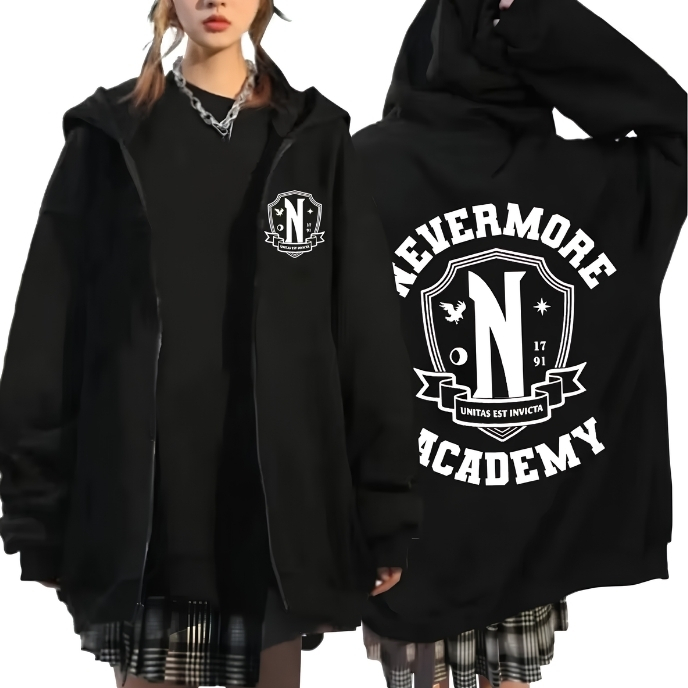
Popular style category: Quiet Streetwear
2. PANGAIA — Streetwear That Leans on Material Science
Best for: anyone who reads the fabric tag before the price tag.
PANGAIA doesn't market itself like a typical streetwear label, and that might be deliberate. The pitch reads closer to a materials-science project than a fashion drop — recycled cashmere blends, plant-based dyes, fibers built from things that would otherwise go to waste. Whether every claim holds up to outside scrutiny is a fair question; sustainability marketing across fashion has a mixed track record industry-wide. But the intent here seems more serious than most.
For a young adult who cares about where a garment actually comes from, that transparency — imperfect as it might be — counts for something. Genuine curiosity about materials, construction that feels premium rather than novelty, and public documentation of its environmental efforts that goes past a single vague "sustainability" page.
Popular style category: Minimalist / Quiet Streetwear

3. ASOS — Less a Brand, More a Trend-Discovery Engine
Best for: shoppers who don't want to commit to one aesthetic yet.
Calling ASOS a streetwear brand slightly misses the point. It's closer to a marketplace — hundreds of labels under one roof, updated often enough that browsing it can feel a bit like scrolling a feed. Gorpcore one week, oversized tailoring the next, whatever's trending somewhere in between.
That breadth is the appeal. If MEXESS and PANGAIA are for people who've already decided what they value, ASOS is for people still figuring that out. Its filtering does a lot of the heavy lifting, size and fit ranges run wider than most single-label sites manage, and new stock lands often enough that there's rarely a reason to leave empty-handed.
Popular style category: Gorpcore and everyday streetwear
4. Fashion Nova — Built for Speed
Best for: shoppers chasing whatever's trending this week, on a real budget.
Fashion Nova's whole model is speed. A look goes viral on social media on a Monday; a version of it is available to buy by Thursday. That turnaround is either the brand's biggest strength or its biggest liability, depending on who you ask — critics point to quality that can feel thin at that price point, and they're not always wrong about it.
Still, for someone who wants to try a trend without committing serious money, Fashion Nova solves a real problem. Not every purchase needs to last five years. Prices that make experimenting low-stakes, an inventory that refreshes constantly, marketing pulled from what's actually trending rather than what a brand wishes were trending, a checkout built mobile-first, and sizing that's expanded meaningfully over the past few years — that combination is hard to compete with at this price bracket.
Popular style category: Maximalist streetwear
5. Boohoo — Inclusive Sizing Without the Markup
Best for: budget-conscious shoppers who need sizing options most brands still don't offer.
Boohoo's pitch is simple: trend-driven clothes, a real size range, prices that don't punish you for wanting both. Plus, petite, and tall options sit alongside the standard run rather than getting tucked into some separate, smaller catalog — which shouldn't be notable in 2026, but somehow still kind of is.
The visual search tool is a nice touch, too. Upload a photo of an outfit you saw somewhere and it'll try to surface something close. It's not perfect, but it beats scrolling through pages of unrelated results. Genuinely wide sizing and pricing that stays accessible even as the catalog grows are really the whole case for Boohoo, and honestly, that's enough.
Popular style category: Colorful, experimental streetwear
The Trends Actually Shaping 2026
Gorpcore hasn't slowed down. Cargo pants, utility vests, technical shells built for hiking trails that most people wearing them will never see — that contradiction is sort of the joke at its core, and it's also why the look keeps working. ASOS carries the deepest selection of it, probably because the marketplace model lets a dozen niche labels compete for the same customer at once.
The opposite instinct — minimal branding, neutral palettes, fabric doing the talking instead of a logo — is where Quiet Streetwear lives, and it's where MEXESS and PANGAIA both operate. It might be a reaction to a decade of loud logomania, or it might just be a pendulum swing that reverses again in a few years. Hard to say from inside it.
Then there's Maximalism on the other end entirely: bold graphics, color that doesn't apologize for itself, silhouettes cut oversized on purpose. Fashion Nova and Boohoo both build collections around this instinct, and given how trend cycles tend to work, it doesn't look like it's going anywhere soon.
Building a Capsule Wardrobe Out of All Five
The smartest move probably isn't picking one brand and staying loyal to it. It's borrowing strengths from each: a sustainable hoodie from MEXESS, joggers from PANGAIA built to actually last, sneakers from whichever label ASOS happens to be pushing this month, one statement jacket from Fashion Nova for a piece that doesn't need to survive a decade, and a couple of accessories from Boohoo to round things out without blowing the budget.
We wrote a longer breakdown of this approach in How To Build A Capsule Wardrobe, if mixing brands rather than committing to one feels like a lot to figure out on your own.
Final Thoughts
Streetwear in 2026 seems to be less about picking a tribe and more about picking values, then finding whichever brand happens to deliver them best that season. MEXESS and PANGAIA make the case for slower, more deliberate fashion. ASOS makes the case for options. Fashion Nova and Boohoo make the case that trend-chasing doesn't have to be expensive.
None of these approaches is really more "correct" than the others. The wardrobe that actually works is probably the one built from more than one of them.
Frequently Asked Questions
MEXESS and PANGAIA come up most often in that conversation, mainly because of their focus on eco-conscious materials and production choices that go beyond a marketing footnote.
Fashion Nova, by a wide margin. Its model is built around turning a viral look into a purchasable product within days rather than seasons.
Not exactly — it works more like a marketplace hosting streetwear labels than a label itself. That said, its selection is broad enough that most people treat it like one anyway.
The minimalist end of the category: neutral colors, subtle or absent branding, and fabric quality doing more of the work than a logo would.
Outdoor and hiking gear reworked for city wear — cargo pants, utility vests, technical jackets — usually worn by people who aren't going anywhere near a trail.
Start with a small number of well-made basics, check what they're actually made from before buying, and treat trend pieces as occasional additions rather than the foundation of the wardrobe.